
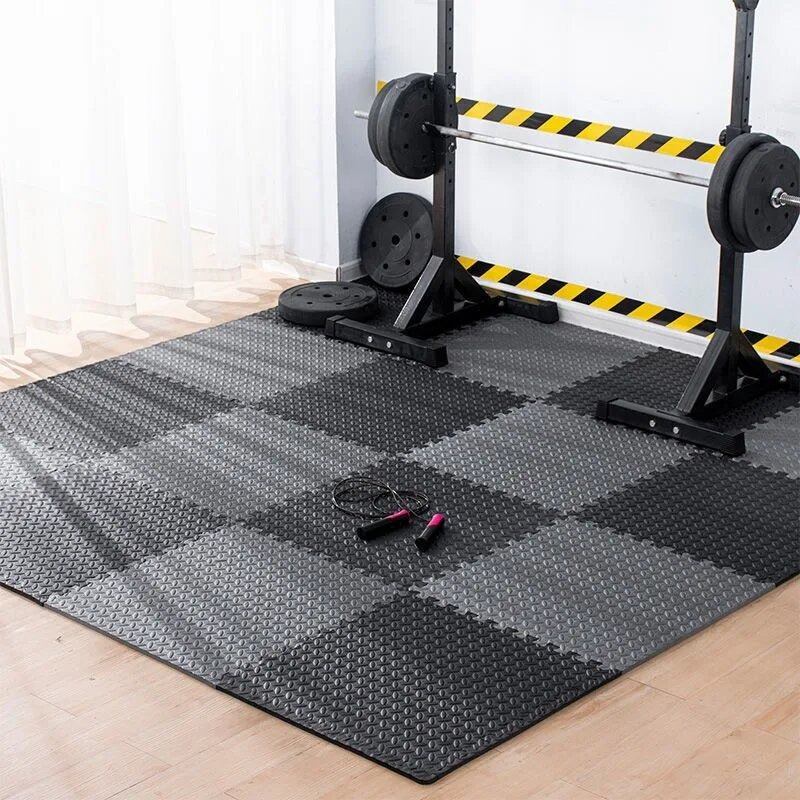
Gym Flooring Guide: How to Choose the Right Mats for Workouts
Setting up a gym or a home workout space in Dubai? One thing people usually don’t think about until it’s too late is the flooring. You can have the best equipment in the world, but if the mats underneath are wrong for your setup, you’ll feel it fast, either in your knees, your back, or your actual floor getting damaged.
Types of Gym Flooring Mats
Rubber Flooring
This one’s the go-to for most home and commercial gyms around here. It’s thick, it takes a beating from dumbbells and heavy plates, and it lasts for years without falling apart. There are a few ways to get it installed. Interlocking tiles are the easiest if you want to do it yourself over a weekend. Rolled rubber is better if you’ve got a bigger room and don’t want visible seams everywhere. And plain rubber mats work fine if you just need protection under one rack or bench. If your space isn’t a standard shape, or you’ve got machines placed in odd spots, look into custom mats dubai suppliers who can cut pieces to fit instead of forcing a generic size into an awkward layout. For gyms with bigger floors or heavy daily use, large rubber mats hold up better since there are fewer seams for weights to catch on. All in all, rubber does the job well, it absorbs impact, doesn’t get slippery when sweat hits it, and a mop is really all it needs.
Foam Mats
These are the softer, lighter options. Think yoga sessions, stretching, pilates, or any floor-based workout where you’re not dropping heavy weights. Puzzle foam tiles click together in minutes, no tools needed. Portable mats are the roll-up or fold-up kind, good if you want to move your workout to another room or take it with you somewhere. They’re cheap compared to rubber, easy on the joints, and you can be training on them within ten minutes of unboxing.
Turf Flooring
Not talked about as much, but turf has its place too, especially for gyms doing functional or athletic-style training. It’s the fake grass surface you’ll see used for sled pushes, tire flips, or ladder drills. It gives a bit of grip and cushion that regular rubber doesn’t, which makes movement-based work feel more natural. Most gyms don’t cover the whole floor in turf, they’ll section off one strip for it and keep rubber or foam everywhere else.
How to Choose the Right Mats for Your Gym
There’s no single right answer here, it depends on a few things. First, what are you actually training? Heavy lifting needs something dense underneath, lighter or floor work can get away with foam. Second, how big is the room? Bigger spaces usually do better with rolled or large-format flooring since fewer seams means less hassle. Budget tends to scale with size too, so that’s worth keeping in mind early on. Then there’s Dubai’s climate, the heat and humidity aren’t kind to cheap materials, so go with something that won’t curl up or start smelling after a few months. And lastly, think about cleaning. If more than one person uses the space, you want mats you can wipe down fast without much effort.
One thing people forget, flooring isn’t just for the workout area itself. If your studio has an entrance or reception, that matters too. Commercial door mats at the front stop dirt and sand from getting tracked in, which means less cleaning for your actual gym floor later.
Once you’ve worked through these points, workout type, space, climate, and cleaning, choosing gets a lot simpler.
Final Words
Good flooring does more than sit under your feet, it protects your space and changes how your workouts actually feel day to day. Whether you’re after heavy rubber for lifting or something soft for stretching, there’s a flooring option out there that fits what you’re doing. If you’re ready to get your space sorted, reach out to the team at dubairubbermats.com and talk through what makes sense for your setup.
FAQs
- What’s the best flooring for a home gym in Dubai? Rubber flooring is usually the safest bet. It handles heavy weights, doesn’t get slippery, and copes well with the heat and humidity here.
- Can I mix different types of mats in one space?
Yes, plenty of gyms do this. Rubber for the weights area, foam for stretching, and maybe a turf strip for functional drills.
- How thick should rubber gym flooring be?
For general home use, 15mm is usually enough. If you’re doing heavy lifting or dropping weights, go for 20mm or thicker.
- Do foam mats work for heavy equipment?
Not really. Foam is meant for lighter, floor-based workouts. Stick with rubber under anything heavy like racks or benches.
- How often should gym flooring be cleaned?
A quick wipe down after each use is enough for hygiene, with a deeper clean once a week depending on how much foot traffic the space gets.

