The Ultimate Guide to Poolside Rubber Mats Solutions
Anyone who’s spent time around a pool knows the real danger isn’t the water. It’s the three feet of wet tile between the pool and the changing room. Add bare feet, a bit of sunscreen residue, and kids running where they shouldn’t, and you’ve got a problem waiting to happen.
Rubber mats fix this. They’re not glamorous, but after years of fitting them in homes, hotels, and gyms, I can tell you they’re the cheapest insurance a pool owner can buy. Here’s what actually matters when you’re choosing them.
The Four Types Worth Knowing About
Interlocking Rubber Tiles
These snap together like puzzle pieces, which sounds gimmicky but works really well for big areas. You can cover any shape of deck, and if one tile gets damaged or grimy, you pull it out and replace just that piece. People who clean their pool area often tend to prefer these for exactly that reason.
Drainage Mats
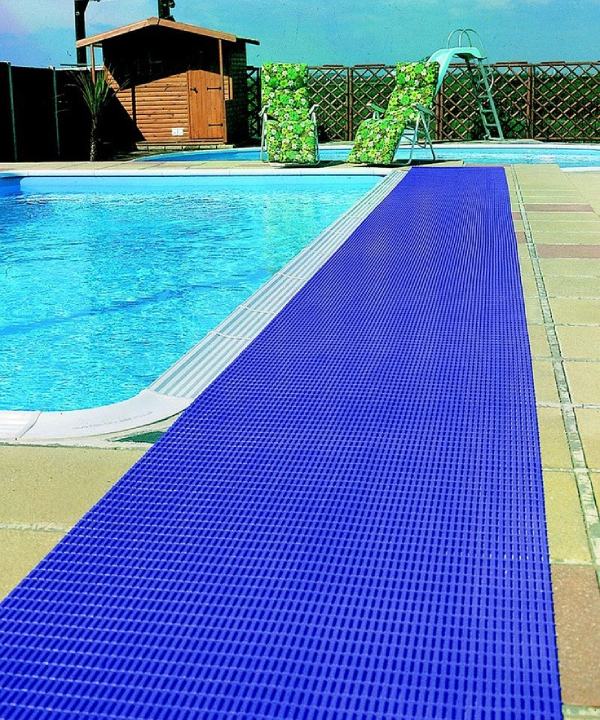
These have holes or slots so water falls straight through instead of sitting on top. If your deck gets heavy foot traffic, or you’re matting a changing room that never seems to dry out, this is the one. A lot of commercial pools combine them with swimming pool anti-slip mats near the ladder and steps, where people climb out dripping.
Roll-Out Mats
Exactly what they sound like. Good for long runs the walkway around a pool, a locker room aisle. When it’s time to clean, you roll them up, hose them down, and roll them back. Five minutes, done.
Textured Mats
If your poolside is basically wet from morning to night, get textured. The raised surface grips even when there’s soap or standing water on it. Plain smooth rubber gets slippery when wet; textured rubber doesn’t.
Where They Earn Their Keep
The obvious spot is the pool deck itself, but don’t stop there. Changing areas stay wet all day and are usually tiled, a bad combination. Outdoor showers need drainage underfoot. Steps and ramps are where the nastiest falls happen, so a bit of grip there goes a long way. And under loungers and cabanas, rubber just feels better on bare feet than sun-baked concrete.
Hotels usually take it one step further and match their entrances too. Customized logo mats at the door catch sand and grit before it gets tracked to the pool, and they look sharp doing it.
Installing Them Without Regrets
Most of this is common sense, but a few things trip people up (pun intended).
Clean the floor before you lay anything. Grit trapped under a mat creates lumps and wears through the rubber from below.
If you’re covering a big area with tiles, start in the middle and work outward. It keeps the layout even and you won’t end up with awkward slivers on one side.
Deal with the edges. A raised mat edge is its own tripping hazard, which defeats the whole point. Edge trims are cheap and give you a smooth ramp down to the floor.
And if the spot is windy or gets hammered with foot traffic, anchor the mats with adhesive or clips. Nothing worse than a mat that’s migrated halfway across the deck by Friday.
Keeping Them Clean
This is the easy part. Hose them off daily, give them a soapy scrub once a week, and if it’s a commercial setting, pressure wash monthly. That’s it.
One warning: stay away from harsh or acidic cleaners. They eat into the rubber and you’ll be replacing mats years earlier than you should.
Final Thought
Good matting is one of those things nobody notices until it’s missing, usually right after someone slips. At Rubber Mats Dubai, we’ve been helping homeowners and businesses across the UAE get this right for years, whether that’s a full pool deck or Door Mats Dubai for a hotel lobby. If you’re not sure what your space needs, drop us a message. We’ll tell you honestly what works and what’s overkill.